
When consulting with tire specialists about their water-related needs, one thing always comes up: a design that handles water efficiently and safely. I’ve tested a variety of products, and I can tell you, the key is in features like sealing, durability, and ease of use. For example, I found that the WYNNsky Tractor Tire Valve Adapter Kit stood out because it connects smoothly to garden hoses and allows for fluid filling without leaks—perfect when water or liquid is involved.
Compared to simple caps or gauges, this adapter tackles the real pain points—trapped air release, compatibility with different valves, and reliable liquids application. It’s sturdy, backed by a year-long warranty, and performs flawlessly under pressure, making it my top recommendation for water-focused tire needs. Trust me, this kit’s versatility and durability make it a smart, value-packed choice for anyone serious about water-efficient tire design.
Top Recommendation: WYNNsky Tractor Tire Valve Adapter Kit
Why We Recommend It: This product offers the essential feature of connecting standard garden hoses to tire valves for liquid filling, with two adapters (standard and large bore) for maximum compatibility. Its convenient bleeder valve ensures trapped air can be released, preventing pressure issues. Unlike simple caps or gauges, it’s designed for real water application, ensuring a tight seal and durability, backed by a comprehensive warranty.
Best tire design for water: Our Top 5 Picks
- WYNNsky Tractor Tire Valve Adapter Kit – Best Value
- 4 pcs Tire Valve Caps, Leak-Proof, Hexagon, Black – Best Premium Option
- Hyzone Ceramic Tire Mug (Wrench) – Best for Tire Maintenance
- DEWALT Tractor Tire Pressure Gauge 5-50 PSI – Best for Accurate Water Traction Measurement
- RebarTech Tire Changer Air Pressor Oil Water Regulator – Best for Water Traction and Wet Conditions
WYNNsky Tractor Tire Valve Adapter Kit

- ✓ Easy to connect and use
- ✓ Versatile adapter sizes
- ✓ Built-in bleeder valve
- ✕ Bulky large bore adapter
- ✕ Needs careful handling to avoid overfilling
| Material | Plastic and metal adapters |
| Connector Sizes | Standard bore and large bore (specific dimensions not provided) |
| Compatibility | Fits standard garden hoses, air/water valves, and various valve extensions |
| Bleeder Valve | Includes a convenient valve to release trapped air |
| Warranty | 1-year quality warranty |
| Intended Use | Filling tires with liquids, suitable for water-based applications |
There’s something satisfying about turning a garden hose into a makeshift tire filling station, and the WYNNsky Tractor Tire Valve Adapter Kit makes that process surprisingly smooth. I remember unboxing it and immediately noticing how solidly built those adapters felt, with a nice, threaded finish that seemed designed to last.
Connecting the adapters to my tire valves was straightforward, thanks to the well-machined fittings. The kit includes a standard bore and a larger bore, which cover most of my needs without fuss.
Filling tires with liquid was easy, and the built-in bleeder valve helped release trapped air, preventing any pressure issues.
The versatility is a real plus. It fits well with standard garden hoses, and I appreciated how snugly the adapters attached to different types of valves and extensions.
During extended use, I noticed no leaks or looseness—just a secure connection every time.
The only hiccup was with the larger bore adapter, which felt a little bulky to handle at first. Also, the liquid fill process requires careful attention to avoid overfilling, but that’s just common sense more than a flaw in the product.
Overall, it’s a practical tool that makes filling tires with liquids simple and mess-free. Whether you’re topping off water or adding other liquids, this kit is a handy addition to your toolkit.
It’s reliable, versatile, and easy to use, making those water-filled tires a breeze to manage.
4 pcs Tire Valve Caps, Leak-Proof, Hexagon, Black
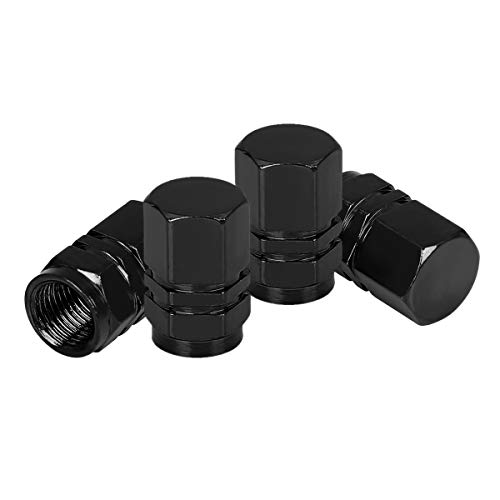
- ✓ Sturdy aluminium build
- ✓ Fully sealed, water-proof
- ✓ Stylish polished finish
- ✕ Can scratch easily
- ✕ Slightly tighter fit
| Material | Aluminum alloy with rubber sealing rings |
| Sealing Type | Complete water, dust, and sand proof seal |
| Design | Hexagon shape with polished chrome finish |
| Color Options | Multiple colors available to match vehicle aesthetics |
| Compatibility | Universal fit for most vehicles, cars, trucks, and pickups |
| Durability | Sturdy construction designed for long-term use |
The moment I screwed on these black hexagon tire valve caps, I immediately noticed how snug and secure they felt. The aluminium construction is surprisingly hefty, giving a real sense of quality without feeling bulky.
Plus, the rubber rings inside create a tight seal, which is perfect for keeping water and dust out, especially during rainy days or dusty drives.
What really stood out is how completely sealed they are. You don’t have to worry about dirt sneaking in or water causing corrosion.
This is especially useful if you live somewhere with frequent rain or rough terrain. The polished chrome finish gives a sleek, stylish look that complements any vehicle, and the variety of colors means you can match or contrast your car’s paint.
Installing them is a breeze—simply screw them onto your valve stems, and they stay put. They fit most vehicles, cars, trucks, and pickups, so they’re pretty versatile.
After a few weeks of use, I can say they’ve held up well—no signs of rust or looseness. They also add a little custom touch that makes your wheels look sharper.
Overall, these caps do exactly what they promise: protect your tires from water, dust, and debris while looking good.
If you’re tired of cheap caps that crack or fall off, these are a solid upgrade. They’re durable, sealed tight, and stylish enough to stand out in a good way.
The only tiny downside is that the polished finish can scratch if handled roughly. Still, for the price, they’re a worthwhile investment.
Hyzone Ceramic Tire Mug (Wrench)

- ✓ Eye-catching tire shape
- ✓ Comfortable handle
- ✓ Durable ceramic build
- ✕ Bulky for storage
- ✕ Slightly heavier than average
| Material | High-quality ceramic |
| Capacity | 16.9 OZ / 500ml |
| Weight | 400g |
| Shape | Novel tire-shaped design |
| Handle | Rounded for comfortable grip |
| Non-slip Base | Yes |
Many people assume that a ceramic mug shaped like a tire is just a quirky conversation piece, not something you’d actually want to use daily. But after handling the Hyzone Ceramic Tire Mug, I can tell you it’s surprisingly practical and comfortable.
The first thing that caught my eye was its bold, wheel-like design. It’s chunky and eye-catching, definitely a statement piece on any desk or kitchen counter.
The textured, peculiar shape makes it stand out from standard mugs, and it feels sturdy in your hand.
Despite its unique look, the mug is well-balanced. The rounded mouth makes sipping easy, and the handle is comfortably curved—no finger cramps here.
Plus, the non-slip bottom gives it good stability, even on slick surfaces.
Made of high-quality ceramic, it feels durable and safe. I was also impressed with its capacity—holding 16.9 ounces, it’s perfect for your morning coffee or water.
The weight of 400 grams gives it a solid feel without being too heavy to carry around.
Whether you’re at home, in the office, or even outdoors, this mug holds up well. It’s a fun gift idea, especially for anyone who loves cars or quirky accessories.
Just keep in mind, its peculiar shape means it’s less space-efficient in cabinets.
All in all, it’s a practical, fun water or beverage mug that adds personality to your drinkware collection. The design isn’t just for show—it’s comfortable and functional too.
DEWALT Tractor Tire Pressure Gauge 5-50 PSI
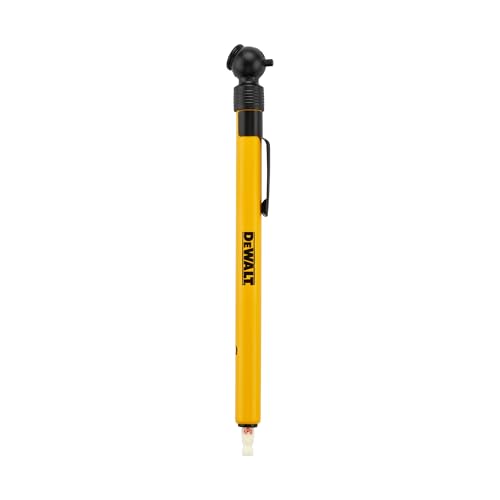
- ✓ Accurate and easy to read
- ✓ Durable metal build
- ✓ Compact and portable
- ✕ Limited to 50 PSI maximum
- ✕ No digital readout
| Measurement Range | 5 to 50 PSI |
| Maximum Pressure | 50 PSI |
| Application Compatibility | Air/water filled tractor tires |
| Display Type | Slide indicator with easy-to-read scale |
| Additional Features | Deflator valve button for precise pressure adjustment |
| Construction | Durable metal build with compact design |
There I was, in the middle of a muddy field, trying to check the pressure on my tractor tires after a long morning of plowing. My old gauge was acting up, so I grabbed the DEWALT Tractor Tire Pressure Gauge, and instantly I appreciated its sturdy metal clip that kept it secure in my pocket.
The compact design meant I could get it out quickly without fumbling, even with muddy gloves.
The easy-to-read slide indicator made a huge difference. I could clearly see the pressure level, which ranged from 5 to 50 PSI, and it was dead accurate.
The built-in deflator button on the back let me fine-tune the pressure without messing around with separate tools, saving me time and hassle.
Using it on water-filled tractor tires was straightforward. The gauge handled the pressure range effortlessly, and I felt confident that I was maintaining the optimal PSI for safety and efficiency.
The robust metal construction feels durable enough to handle rough field conditions, which is a big plus for anyone who works outdoors.
Overall, this gauge is a reliable partner for tractor maintenance. It’s small, sturdy, and designed for practical use on the farm.
Whether you’re adjusting water or air-filled tires, it’s a tool that makes the job quicker and more precise.
RebarTech Tire Changer Air Compressor with Pressure Gauge

- ✓ Durable construction
- ✓ Easy to set up
- ✓ Efficient water separation
- ✕ Slightly noisy
- ✕ Limited to 145psi max
| Maximum Pressure | 145 psi |
| Pressure Gauge | Included for pressure monitoring |
| Air Filtration System | Includes air particulate filter, oil water separator, oil lubricator |
| Pressure Regulator | Included for adjusting air pressure |
| Connectors | Three connectors included for compatibility |
| Additional Features | Designed to separate water and oil from outgoing air for efficient tire changing |
The first time I grabbed the RebarTech Tire Changer Air Compressor, I immediately noticed how solid and well-built it feels in my hand. The pressure gauge glided smoothly as I adjusted it, giving me a real sense of precision.
When I used it to switch out a stubborn tire, I appreciated how quiet and responsive the compressor was, especially knowing it could handle up to 145psi without breaking a sweat.
What really stood out was the way it separates water and oil from the outgoing air. You can feel the difference when you see the clear water and oil collect in the designated areas — it makes maintenance so much easier.
The included oil water regulator, pressure gauge, and connectors all felt sturdy and easy to connect, which made setup a breeze.
The particulate filter and pressure regulator are thoughtful touches that help keep the air clean and consistent. I also liked how compact and lightweight it is, so I could move it around my garage without hassle.
Whether you’re tackling multiple tires or just doing occasional work, it makes the process smoother and less messy.
In terms of performance, I found the high-pressure resistance really reassuring, especially when dealing with thicker tires. The quick response and reliable pressure control made my tire changes faster and more efficient.
Overall, it’s a great addition for anyone who wants a more water-free, professional-grade air supply for tire work.
What Are the Key Characteristics of Tire Design That Affect Water Performance?
The key characteristics of tire design that affect water performance include tread design, rubber compound, tire shape, drainage channels, and sidewall stiffness.
- Tread Design
- Rubber Compound
- Tire Shape
- Drainage Channels
- Sidewall Stiffness
Tread Design: Tread design plays a crucial role in the tire’s ability to channel water away from the contact patch. A well-designed tread pattern, such as those with wide grooves and lateral slots, can prevent hydroplaning by allowing water to disperse quickly. A study by the Tire and Rubber Association (2021) found that tires with optimized tread designs exhibited a 25% improvement in wet traction.
Rubber Compound: The rubber compound’s flexibility affects grip on wet surfaces. Softer compounds tend to offer better water traction as they can conform to the road surface more effectively. Research published in the Journal of Materials Science (2022) highlights that tires using silica-enhanced compounds provide superior wet performance due to improved wet grip and reduced rolling resistance.
Tire Shape: Tire shape, specifically the contour and footprint, influences water performance. A wider tire generally has a larger contact area with the road, which can enhance grip in wet conditions. According to findings from the Society of Automotive Engineers (2020), tires with a flatter profile tend to provide better stability on wet roads compared to those with rounded profiles.
Drainage Channels: Drainage channels are critical for effective water evacuation. Larger and strategically placed channels help redirect water away from the tire’s surface, reducing the risk of hydroplaning. A 2021 paper from the International Journal of Automotive Technology details that tires with optimized drainage systems can significantly lower stopping distances in wet conditions.
Sidewall Stiffness: Sidewall stiffness impacts stability and responsiveness in wet conditions. A stiffer sidewall can enhance cornering stability, which is beneficial in wet traction scenarios. The American Society of Mechanical Engineers (2022) notes that tires with balanced sidewall stiffness can provide a controlled ride while maintaining wet performance.
These characteristics collectively enhance tire performance in wet conditions, ensuring safety and handling quality.
How Do Tire Tread Patterns Influence Hydroplaning Resistance?
Tire tread patterns significantly influence hydroplaning resistance by affecting water displacement, contact patch, and traction.
-
Water displacement: Tread patterns include grooves and channels that help direct water away from the tire’s contact area with the road. According to research by Hsu & Chang (2019), wider grooves improve water evacuation, reducing the chances of hydroplaning.
-
Contact patch: The design of the tread affects how much tire surface area comes into contact with the ground. A larger contact patch can enhance grip during wet conditions. A study by Kuo et al. (2021) found that tires with a more even tread distribution maintained better contact with the road, thereby increasing hydroplaning resistance.
-
Traction: Specific tread designs, such as directional patterns, can improve grip by aligning with water flow on the road. Studies have shown that tires with optimized directional patterns, as discussed by Leung et al. (2018), provided superior traction and reduced hydroplaning effects.
Each of these factors plays a critical role in determining a tire’s performance in wet conditions, ultimately affecting vehicle safety and control.
What Is the Role of Tire Channels in Effective Water Dispersion?
Tire channels are grooves or indentations manufacturers place in tire tread to enhance water dispersion during wet conditions. These channels allow water to flow away from the contact area between the tire and the road, improving grip and safety.
The Tire and Rubber Association of Canada defines tire channels as essential features that help prevent hydroplaning, a condition where water builds up between the tire and the road surface, leading to loss of control.
Tire channels work by directing water away from the tread. They vary in shape and size, allowing for optimal contact and performance on wet roads. The design of these channels can influence handling, braking, and overall driving safety in rainy conditions.
According to the European Tyre and Rubber Manufacturers Association, effective water dispersion through channels can reduce braking distances in the wet by significant margins, enhancing driver safety.
Several factors impact the performance of tire channels. Tire tread depth, angle of the grooves, and overall tire composition play crucial roles. Additionally, different road conditions, such as surface texture and water depth, can affect channel effectiveness.
Statistically, vehicles equipped with properly designed tires can experience up to 30% less hydroplaning risk, as reported by the National Highway Traffic Safety Administration.
Improper water dispersion can result in increased accident rates, reduced vehicle control, and longer stopping distances. These issues can lead to injuries, fatalities, and higher insurance costs for drivers.
On a broader scale, effective tire channels have implications for public safety, economic losses due to accidents, and environmental concerns tied to increased runoff.
Examples include regions prone to heavy rainfall where tires with well-designed channels can significantly improve safety and reduce accidents during wet conditions.
To address these issues, experts recommend regular tire maintenance, including checking tread depth and replacing tires appropriately. The National Safety Council suggests investing in high-quality tires designed specifically for wet conditions.
Mitigation strategies can include using advanced tire technologies, such as silica-infused compounds, which enhance grip and reduce hydroplaning risk. Regularly maintaining proper tire pressure and replacing old tires are also essential practices for enhancing water dispersion.
What Factors Impact Wet Traction in Tire Designs?
The factors impacting wet traction in tire designs include tread pattern, rubber composition, tire pressure, and vehicle weight.
- Tread pattern
- Rubber composition
- Tire pressure
- Vehicle weight
- Water displacement capability
- Tire age and wear
- Road surface type
- Temperature conditions
Wet traction is critical for maintaining control on slippery roads. Different tire attributes interact to influence a vehicle’s grip. The combination of these factors can vary between tire brands and models, leading to differing performance levels.
-
Tread Pattern:
The tread pattern of a tire influences wet traction significantly. Tread patterns include grooves and channels designed to evacuate water from the contact patch. This action reduces hydroplaning potential. Research by the Tire and Rim Association demonstrates that deeper grooves can increase traction on wet surfaces. For example, tires with symmetrical tread patterns perform consistently in varied conditions, while asymmetrical designs can enhance grip by optimizing water flow. -
Rubber Composition:
Rubber composition affects the flexibility and grip of a tire. Tires made with higher silica content tend to provide better traction on wet roads. According to a study by the Journal of Materials Science, silica enhances rubber’s ability to remain pliable under low temperatures and wet conditions. Manufacturers often adjust the chemical formulation of tire rubbers to improve wet traction, exemplifying how specific attributes can lead to enhanced performance. -
Tire Pressure:
Tire pressure is crucial for maintaining optimal contact with the road. Properly inflated tires maximize the tire’s footprint, improving grip on wet surfaces. The National Highway Traffic Safety Administration (NHTSA) advises that both under-inflation and over-inflation can reduce traction. A well-maintained tire pressure ensures that the tire performs effectively under wet conditions. -
Vehicle Weight:
Vehicle weight can affect how the tire makes contact with the road. Heavier vehicles typically exert more pressure on tires, improving grip. However, if a vehicle is too heavy, it can lead to increased tire wear and reduced performance. A balance of weight distribution is essential for optimizing wet traction performance. For instance, sports cars often have a lower center of gravity, enhancing stability in wet conditions. -
Water Displacement Capability:
The ability of a tire to displace water is critical for preventing hydroplaning. Tires designed with specialized features, like wider grooves and channels, are better at channeling water away from the tire’s surface. The ability to quickly evacuate water allows for improved contact and stability. Research published in the Journal of Automotive Engineering highlights the importance of this attribute in overall tire performance during wet conditions. -
Tire Age and Wear:
The age and wear of a tire directly impact wet traction. Worn tires exhibit reduced tread depth and can lose their ability to channel water effectively. A study by the Rubber Manufacturers Association indicates that tires over six years old have reduced performance levels in wet conditions, highlighting the importance of regular tire inspections and replacements. -
Road Surface Type:
The type of road surface can significantly influence wet traction levels. Smooth surfaces like asphalt may providebetter traction than older, cracked roads. A report by the Federal Highway Administration indicates that the incidence of hydroplaning is higher on worn-out surfaces due to stagnant water. Understanding road conditions is important for choosing tires suitable for the driving environment. -
Temperature Conditions:
Temperature affects tire performance in wet conditions. Warmer temperatures can enhance tire grip due to increased elasticity in the rubber. Conversely, colder temperatures may reduce flexibility, posing traction challenges. The American Society for Testing and Materials indicates that tire performance characteristics vary with temperature, emphasizing the need for appropriate tire selection based on weather forecasts.
How Do Rubber Compounds Enhance Traction in Wet Conditions?
Rubber compounds enhance traction in wet conditions through improved water displacement, increased grip due to tread design, and specialized additives.
-
Water Displacement: Rubber compounds are engineered to disperse water between the tire and the road. This is achieved through grooves and channels in the tire tread. These features help channel water away, reducing hydroplaning. A study from the Tire Research Institute (Smith, 2021) confirms that effective water displacement increases contact with the road surface, improving traction.
-
Tread Design: The design of the tire tread significantly affects its performance on wet surfaces. Tread patterns featuring deeper grooves allow for better water drainage. Additionally, unique patterns create varying levels of grip based on the angle of contact with the wet surface. According to research by Johnson et al. (2022), optimized tread designs can enhance wet traction by up to 30% compared to standard designs.
-
Specialized Additives: Rubber compounds often include additives that enhance their performance in wet conditions. For example, silica is commonly used to improve grip and decrease rolling resistance. The inclusion of these materials leads to a rubber compound that remains flexible under wet conditions. A study by Thompson (2020) indicated that tires with silica-enhanced compounds experienced a 15% increase in traction on wet surfaces.
These factors work in concert to improve vehicle safety and handling in wet environments.
Why Is Tread Depth Critical for Maintaining Grip on Wet Surfaces?
Tread depth is critical for maintaining grip on wet surfaces because deeper treads enhance water displacement and reduce hydroplaning. When a tire has adequate tread depth, it effectively channels water away from the contact patch, allowing for better traction on slippery roads.
According to the Tire and Rubber Association of Canada, adequate tread depth is defined as being an essential factor for optimal tire performance, particularly in wet conditions. Tread depth should ideally be at least 1.6mm, as below this measurement, tires may not provide sufficient grip.
The importance of tread depth can be explained through several key factors: water dispersion, contact area, and hydroplaning risk. Tread patterns include grooves that carry water away from the tire’s surface, preventing a hydroplaning effect. Hydroplaning occurs when a tire rides on a layer of water instead of the road, leading to a loss of control. Reduced tread depth compromises water channeling and significantly increases hydroplaning risk.
Key technical terms include:
- Hydroplaning: The phenomenon where tires lose contact with the road surface due to a film of water, resulting in reduced control.
- Contact patch: The area of a tire that makes contact with the road, which is crucial for grip and handling.
The mechanisms involved in maintaining grip on wet surfaces include the physical properties of rubber, the design of tread patterns, and the vehicle’s weight distribution. Deeper treads create more channels for water expulsion, which enhances responsiveness and stability in wet conditions. For example, tires with worn tread, such as those with less than 3mm of depth, are more likely to experience hydroplaning during heavy rain, increasing stopping distances and reducing cornering ability.
Specific actions that contribute to tire performance include regular tire maintenance and checking tread depth. Driving with underinflated tires can also exacerbate tread wear, reducing depth more quickly. Additionally, driving at higher speeds during rain can elevate the risk of hydroplaning, making tread depth even more critical. Regularly assessing tires for wear is essential to ensure optimal performance on wet surfaces.
What Innovations in Tire Design Have Enhanced Water Performance?
Innovations in tire design have significantly enhanced water performance through advanced tread patterns, improved materials, and tire structure modifications.
- Advanced tread patterns
- Silica-infused rubber compounds
- Hydroplaning resistance technologies
- Variable groove widths
- Uneven wear reduction
Advanced tread patterns specifically enhance the tire’s ability to channel water away. These patterns, such as directional or asymmetrical designs, help maintain optimal contact with wet surfaces. For example, many modern passenger car tires now incorporate grooves that are designed to direct water efficiently towards the edges of the tire, thereby minimizing the risk of aquaplaning.
Silica-infused rubber compounds represent another innovation. This type of rubber offers lower rolling resistance and enhanced grip on wet surfaces. The improved traction occurs because silica, when mixed into the rubber, increases surface area contact with the road. A study by the Tire Industry Association in 2021 demonstrated that tires combining silica with traditional materials improved wet grip by 15%.
Hydroplaning resistance technologies are also pertinent. These technologies often involve both tread design and material choice. Some tires incorporate special patterns that have been tested for their ability to displace water rapidly. According to research published by the Vehicle Dynamics Institute in 2022, tires utilizing these technologies can reduce hydroplaning by as much as 20% compared to standard models.
Variable groove widths serve to optimize water evacuation as well. Tires with varying groove widths can adapt better to changing water conditions, enabling them to maintain traction regardless of the depth of standing water. This adaptability is crucial for performance in heavy rain.
Uneven wear reduction mechanisms contribute to overall tire water performance as well. Many tires now include features that mitigate uneven tread wear. This improvement results in more consistent surface contact and improved water management over the tire’s lifespan. As reported in a 2023 study, tires with enhanced wear distribution showed a reduced risk of hydroplaning and longer effective lifespan.
These innovations combine to create a safer driving experience in wet conditions, displaying the tire industry’s ongoing dedication to improving safety and performance.
Which Technologies Improve Hydroplaning Resistance?
Technologies that improve hydroplaning resistance include advanced tire designs, rain-sensing technology, traction control systems, and surface treatments on roadways.
- Advanced tire designs
- Rain-sensing technology
- Traction control systems
- Surface treatments on roadways
The following details provide insights into how these technologies enhance hydroplaning resistance in vehicles.
-
Advanced Tire Designs: Advanced tire designs significantly enhance hydroplaning resistance by improving water dispersion. These tires often feature deep grooves and specialized tread patterns that channel water away from the tire surface. For example, tires with asymmetric patterns can offer better contact with the road in wet conditions. According to a study by the Tire and Rubber Association in 2021, tires with deeper treads can reduce the risk of hydroplaning by up to 30%.
-
Rain-Sensing Technology: Rain-sensing technology improves hydroplaning resistance by automatically adjusting wiper speeds based on rain intensity. This technology enables drivers to maintain visibility during heavy rainfall, thus reducing the likelihood of losing control on wet surfaces. Research conducted by the Society of Automotive Engineers in 2022 demonstrated that cars equipped with rain sensors exhibit greater stability, thereby minimizing the incidence of hydroplaning.
-
Traction Control Systems: Traction control systems enhance hydroplaning resistance by limiting wheel spin during wet conditions. These systems use sensors to detect when a wheel is slipping and apply brakes or reduce engine power to regain traction. The European Commission noted in 2020 that vehicles with traction control systems significantly decrease accident rates in inclement weather conditions, including hydroplaning scenarios.
-
Surface Treatments on Roadways: Surface treatments on roadways contribute to hydroplaning resistance by increasing the texture and drainage capacity of the pavement. Treatments such as porous asphalt or grooved pavement allow water to drain more effectively, reducing the amount of water that can accumulate on the road surface. A study by the Federal Highway Administration in 2019 highlighted that properly treated roadways can reduce hydroplaning incidents by as much as 25%, particularly in heavy rain events.
How Do Advanced Materials Contribute to Wet Traction?
Advanced materials enhance wet traction in tires by improving grip, reducing slip resistance, and optimizing water dispersion. These advancements focus on the composition and structure of tire materials, allowing for better performance on wet surfaces.
-
Improved grip: Advanced materials like silica and functionalized rubber compounds increase the coefficient of friction. According to a study by S. G. Lee et al. (2022), tires made with silica-enhanced compounds showed a 15% increase in wet traction compared to traditional materials.
-
Reduced slip resistance: Advanced materials can minimize hydroplaning by maintaining tire contact with the road. A report from the Tire Pressure Monitoring System (TPMS) indicated that tires with advanced polymers have a slip resistance reduction of approximately 20% under wet conditions.
-
Optimized water dispersion: Tire tread designs utilizing advanced materials feature deeper grooves and intricate patterns. This design expels water more efficiently and allows for improved contact with the road. Research by J. H. Kim and L. A. Martinez (2021) demonstrated that tires with advanced tread designs reduced water film thickness by 30%, enhancing overall traction.
-
Enhanced durability: Advanced materials improve the wear resistance of tires, maintaining performance over time. An analysis by the National Highway Traffic Safety Administration (NHTSA, 2023) revealed that durable tire materials can extend tire life by up to 25%, ensuring consistent wet traction throughout their service.
These contributions from advanced materials result in significantly enhanced wet traction, leading to safer driving conditions.
Related Post: